


QUICK BRIEF
What You Will Learn
- 01
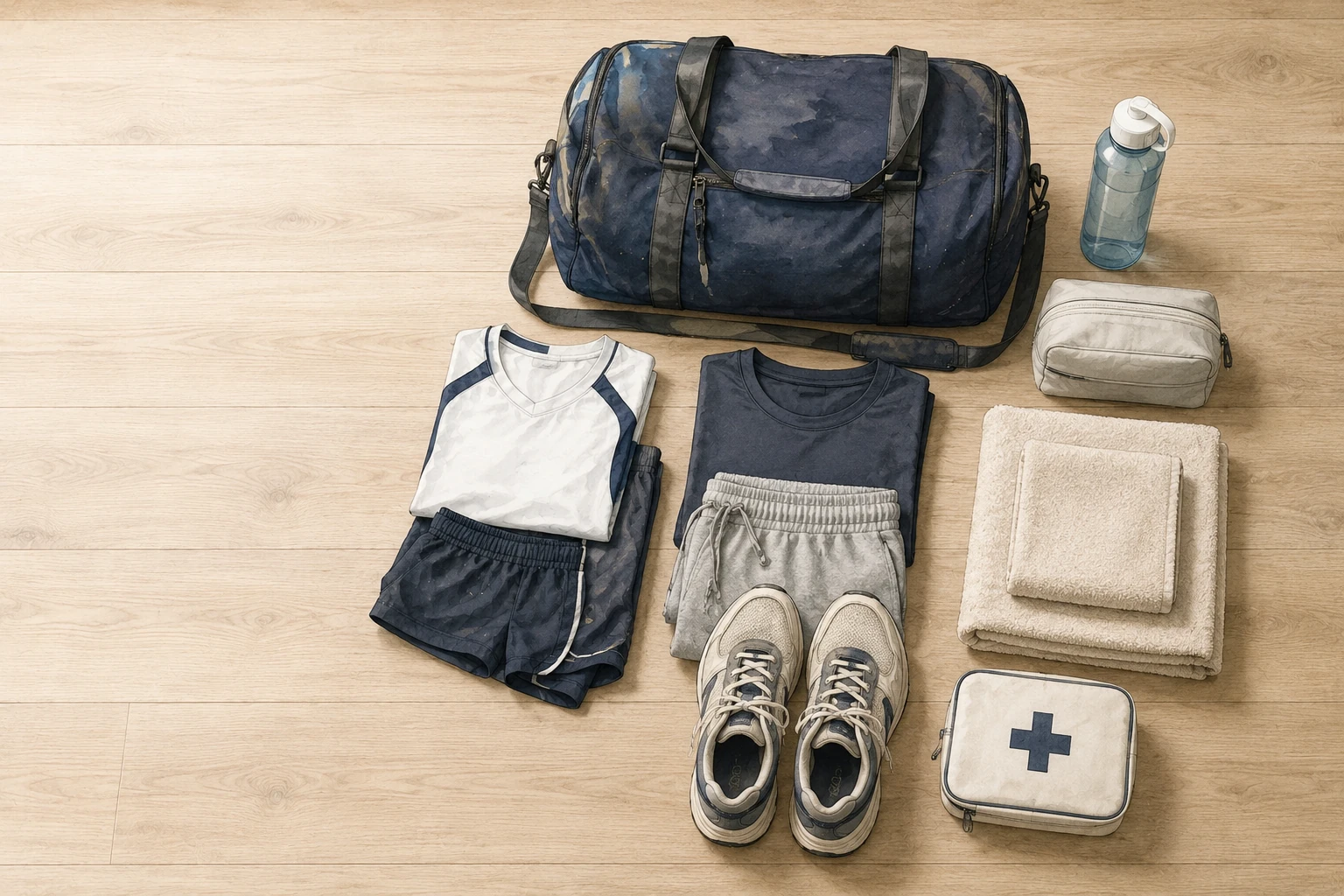
Training and competition clothing
- 02
Shoes and sport-specific gear
- 03
Underwear and socks
CONTENTSTable of Contents
SECTIONBasic Personal Items
Training and competition clothing
Shoes and sport-specific gear
Underwear and socks
Sleepwear
Towels and toiletries
Regular medication
Health insurance information
Chargers
Rain gear and warm layers
Bag for laundry
SECTIONItems to Check for Each Sport
List consumables and equipment specific to the sport, such as balls, rackets, protective gear, athletic tape, pumps, and tools. Clearly indicate whether each item is managed individually or by the team.
SECTIONTeam Shared Supplies
First-aid supplies
Emergency contact list
Training bibs and markers
Drink containers
Confirm whether extension cords or similar items may be used
Trash bags
Writing supplies
Schedule
SECTIONMedication and Health Information
Keep medication labeled so the participant’s name, instructions for use, and storage method can be identified. If supervising staff will manage medication for a minor, agree on the method with the parent or guardian in advance.
Check Before Loading
- 01
Separate personal items from shared supplies
- 02
Assign a person responsible for each shared item
- 03
Create a loading list for each vehicle
- 04
Finally compare the actual items with the list
SECTIONDivide Your Packing Into Four Bags or Categories
Separating daily-use items, sport-specific gear, items needed during travel, and emergency items reduces the need to search through a large bag every time. Do not load first-day clothing or regular medication deep inside the vehicle.
| Category | Examples |
|---|---|
| Personal Daily Use | Changes of clothes, toiletries, towels, sleepwear |
| Sport | Uniform, shoes, protective gear |
| Shared Supplies | First-aid supplies, tools, chargers, roster |
| During Travel | Drinks, rain gear, motion-sickness medicine, jacket |
Assign a Person and Quantity for Shared Supplies
Do not leave first-aid kits, balls, bibs, filming equipment, extension cords, or similar items as something “someone will bring.” List the item, quantity, person bringing it, and person confirming its return, and check twice: before departure and after returning.
Reflect the Accommodation Conditions in the Packing Guide
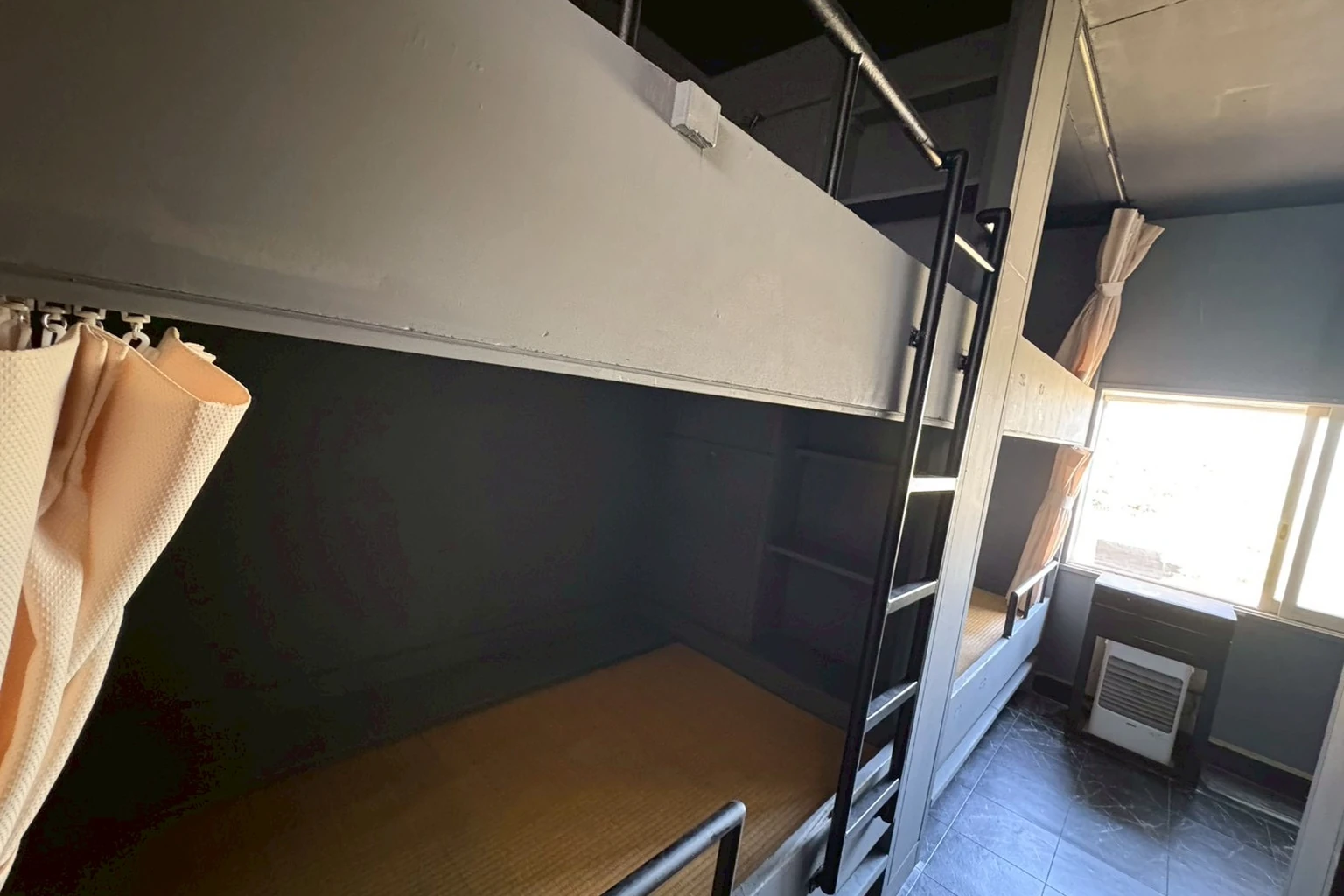
Conditions for towels, toothbrushes, indoor footwear, laundry supplies, hair dryers, and similar items differ by facility. Instead of distributing a generic training camp packing list unchanged, provide a final version that reflects information received from the accommodation.
SECTIONAdjust Quantities to the Number of Nights
Do not simply multiply everything by the number of nights. Decide quantities based on whether laundry is possible and how many times the sport will be played. For 1 night, prioritize one spare set; for 2 or more nights, consider quick-drying items, what will be washed, and drying time. For outdoor sports, prioritize spares for items that could become unusable the next day if wet.
| Situation | Additional Items to Consider |
|---|---|
| Rain or Mud | Spare shoe bag, bag for wet items, towels |
| Temperature Changes | Layers, wind-resistant outerwear, spare socks |
| Long-Distance Travel | Motion-sickness medicine, neck pillow, easily accessible drinks |
| Competition on Consecutive Days | Spare gear, repair supplies, change of clothes for recovery |
SECTIONSeparate the Participant Packing List From the Loading List
The list given to participants should focus on personal items. The organizer’s loading list should record shared supplies, quantities, responsible people, and the vehicle where each item will be loaded. Separating the lists by who checks them makes omissions easier to find than putting everything into one list.
Prepare a Small Bag for the Day of Travel
In addition to the main overnight bag, place items needed during travel or immediately after arrival in a smaller bag. Keeping drinks, medication, rain gear, valuables, and first-day practice gear easy to reach avoids having to open the entire luggage compartment.
| Bag | What to Put Inside |
|---|---|
| During Travel | Drinks, motion-sickness medicine, jacket, contact information |
| Sport Bag | Shoes, clothing, and protective gear used that day |
| Overnight Bag | Sleepwear, toiletries, changes of clothes for later days |
| Emergency Bag | First-aid supplies, health information, spare items |
Label Both the Outside and the Contents
A bag may have a name on it, but towels or chargers removed from the bag can still be confused. In groups with many similar items, add a small name label to personal belongings and mark shared supplies with the group name and responsible person.
Prepare for the Difference Between Outdoor and Indoor Conditions
Outdoor practice, vehicles, and accommodation can feel very different even in the same season. Rather than bringing only one heavy layer, prepare outerwear that can be added or removed before and after practice, plus a replacement in case clothing gets wet.
FROM READING TO PLANNING