


QUICK BRIEF
What You Will Learn
- 01
Number of rooms and planned occupants per room
- 02
Gender breakdown
- 03
Athletes, coaches, and parents or guardians
CONTENTSTable of Contents
SECTIONInformation to Confirm First
Number of rooms and planned occupants per room
Gender breakdown
Athletes, coaches, and parents or guardians
Age or school grade
Participants who need nighttime supervision
Sleep or health-related considerations
Late arrivals or early departures
SECTIONBasic Ways to Divide Rooms
For minors, gender and age or school grade are common starting points, with supervising staff placed where they can respond easily. For adult groups, also confirm participant preferences and adjust for issues such as snoring, early departures, or health-related considerations.
SECTIONWhere to Place Coaches and Responsible Staff
Choose locations where responsible staff can receive contact from participants at night and move through the facility easily in an emergency. Do not place every responsible adult in one room; distribute them when needed.
Keep the Roster and Rooming List Consistent
- 01
Finalize the participant roster
- 02
Assign names to each room number
- 03
Manage all changes in a single table
- 04
Distribute only the latest version on the day
Reduce Room Changes After Arrival
Share the rooming list at the entrance or in the shared area and tell everyone before they put down their luggage. Avoid unapproved room swaps, as they can interfere with headcounts and emergency location checks.
Balance Supervision and Sleep
Grouping only close friends can be enjoyable, but it may also lead to late nights or uneven communication. Consider age, role, wake-up time, sleep-related needs, and whether nighttime support is necessary. Placing someone in each room who can receive and relay instructions can make group operations more stable.
Start With a Provisional Plan
Do not finalize individual rooms during recruitment. Once the gender breakdown, number of coaches, partial attendance, and health-related considerations are clearer, create a provisional plan. Then revise it to match the facility’s room count and bedding arrangement. Personal considerations should not be shared with the whole group and should be handled only by staff who need the information.
| Planning Area | Examples |
|---|---|
| Safety | Supervision of minors, nighttime assistance |
| Daily Life | Lights-out, wake-up, snoring, room temperature |
| Activities | Position, grade, role |
| Movement | Early departures, leaving partway through |
| Considerations | Medication, injury, use of stairs |
Leave Room for Changes on Arrival Day
Illness or absence may require room changes on the day. Avoid assignments with no flexibility, and confirm with the facility how to communicate changes and how keys and bedding are handled.
SECTIONFinalize Room Assignments in Three Stages
- 01
During recruitment, estimate the number of rooms needed using gender, age, and roles only
- 02
After the roster is finalized, add individual considerations and coach placement
- 03
Compare the plan with the facility’s actual rooms and bedding arrangement before issuing the final version
If individual names are fixed too early, every absence or group-size change can force the entire plan to be rebuilt. Create room blocks based on conditions first, then place names at the end.
SECTIONLimit the Information Shown on the Rooming List
The rooming list shared with all participants should contain only names and room numbers. Do not include medication, disabilities, family circumstances, or other personal information. If nighttime support is required, manage those details in a separate document for responsible staff so the participant is not unnecessarily singled out.
| Document | Information Included | Who Can View It |
|---|---|---|
| Participant Rooming List | Name, room number, meeting time | All participants |
| Staff Management Sheet | Contact details, considerations, nighttime duty | Only responsible staff who need it |
| Information Shared With Facility | Group size, gender breakdown, required facilities | Facility contact person |
SECTIONSet Rules for Nighttime Room Changes
If someone moves rooms because of illness or another issue, always inform the responsible staff and the facility. Swapping rooms only by participant agreement can make headcounts and emergency location checks inaccurate.
SECTIONExample of a Provisional Plan for About 20 People
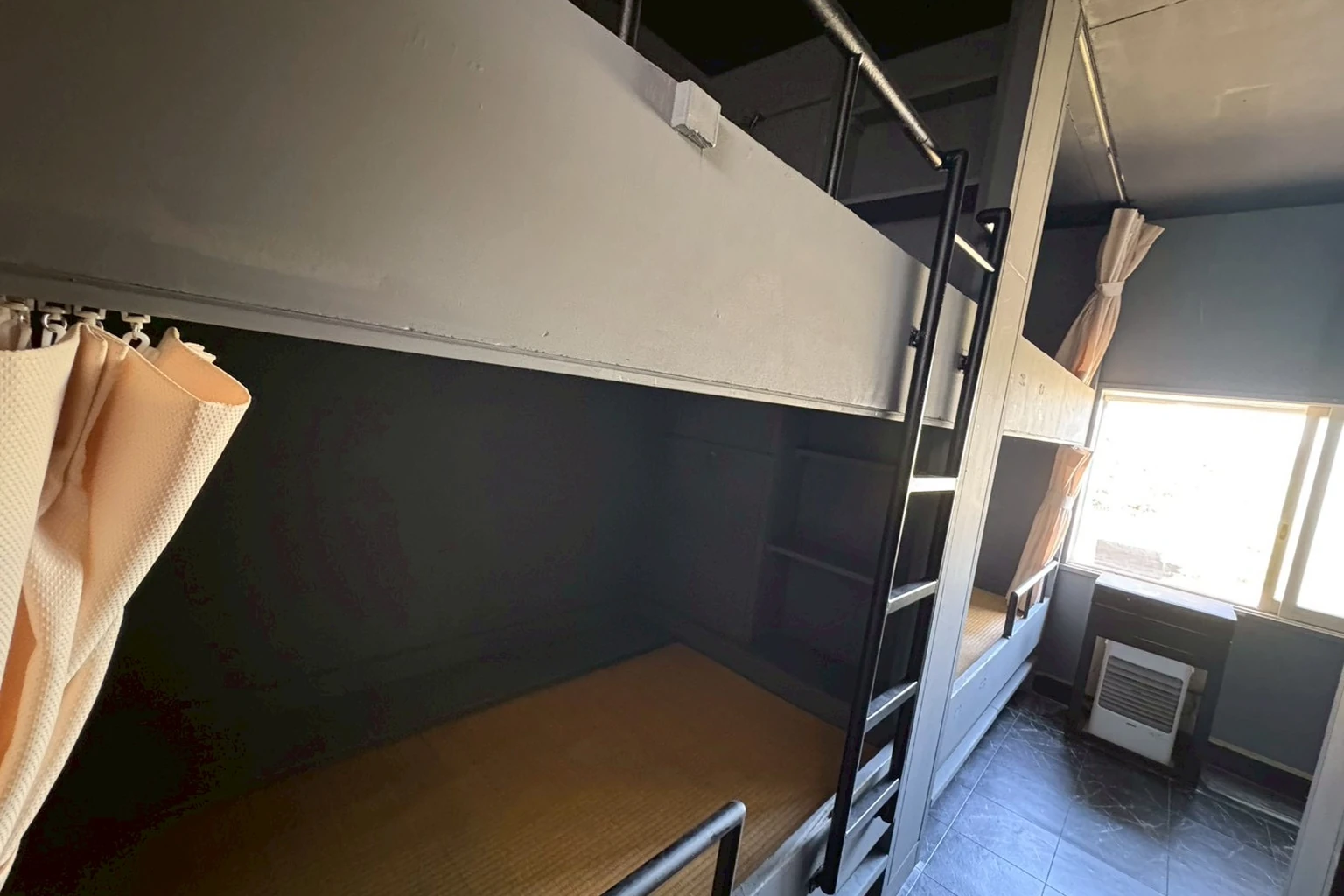
For 16 athletes and 4 coaches, first divide the sleeping rooms according to the athletes’ gender and age or grade, then place coaches where they can respond at night. Do not fill every remaining bed simply because it is available; prioritize sleep and supervision.
| Group | Placement Approach |
|---|---|
| Younger Participants | Where responsible staff can check on them easily |
| Early-Departure Group | A layout less likely to wake other rooms |
| Participants Needing Health Consideration | Check routes to washrooms and responsible staff |
| Coaches | Avoid placing everyone in one room; distribute as needed |
Until the facility provides the actual room configuration, treat the plan as provisional. Compare it with real room capacity, bedding, and gender-separated facilities before distributing the confirmed version.
Decide Which Preferences to Ask Participants About
Room assignments cannot be finalized if every preference is treated as mandatory. Accept health, sleep, and safety-related requests individually, while clearly treating friendship-based preferences as references only. For requests after the response deadline, decide after checking necessity and facility conditions.
FROM READING TO PLANNING