


QUICK BRIEF
What You Will Learn
- 01
Walk through the group’s flow from arrival to departure in order
- 02
Ask about conditions of use, including group size and timing, not only whether facilities exist
- 03
Reflect the site-visit findings in room assignments, the schedule, and participant guidance
CONTENTSTable of Contents
- 01The Purpose of a Site Visit Is to Check Whether the Group’s Day Can Work
- 02Share the Group’s Conditions Before the Visit
- 03Start With the Entrance, Drop-Off, and Luggage Unloading
- 04Check Sleeping Rooms and Nighttime Routes From the Group Leader’s Perspective
- 05Think About Washrooms and Shared Areas in Terms of Time, Not Just Capacity
- 06Measure Travel to Practice Under Real Conditions
- 07Record Questions and Answers During the Visit
- 08How to Check Conditions When an On-Site Visit Is Not Possible
SECTIONThe Purpose of a Site Visit Is to Check Whether the Group’s Day Can Work
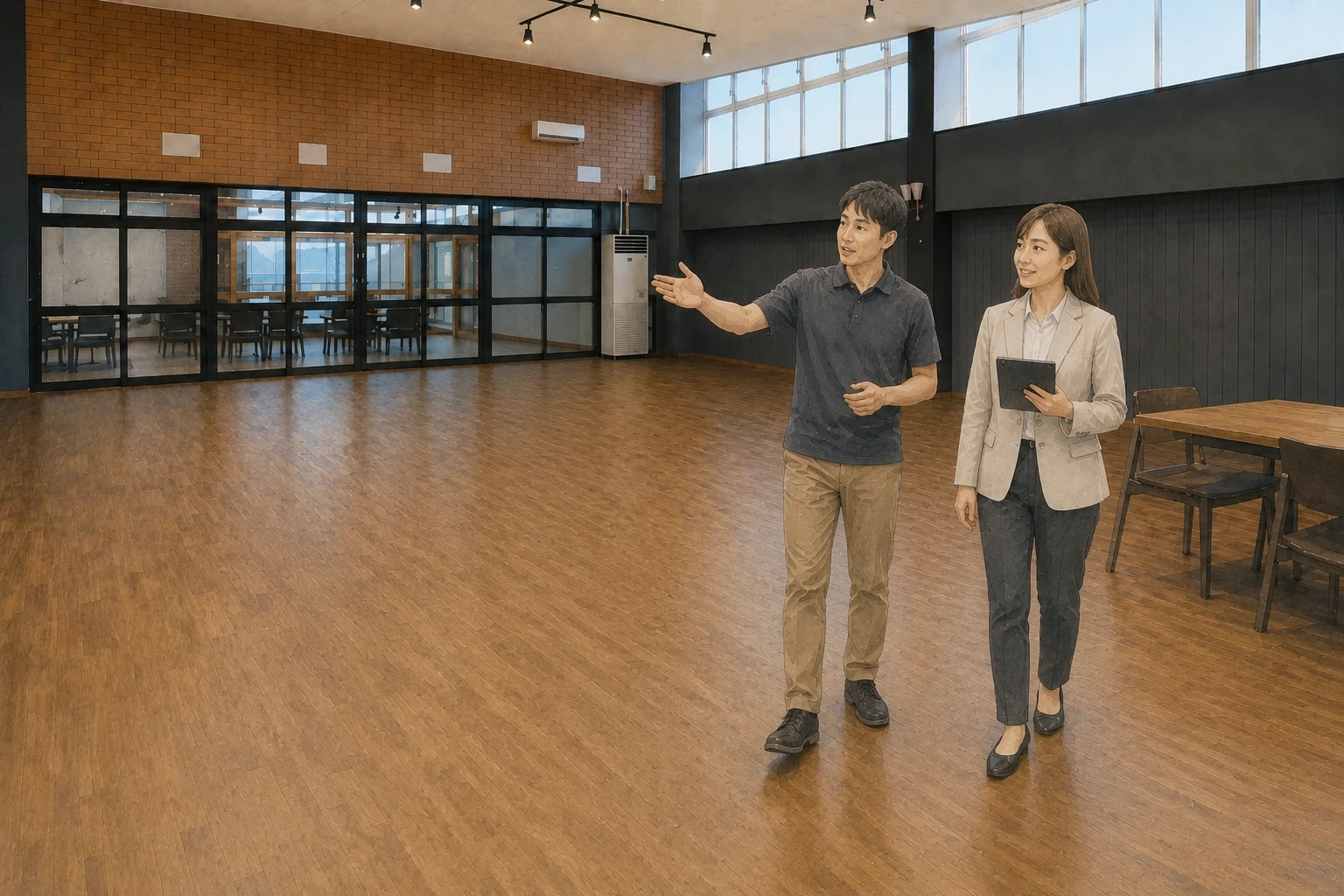
Even when a facility can accommodate the group size, group use may create different problems: there may be no clear place for luggage, washbasins may become crowded, or vehicle drop-off may take longer than expected. Do not inspect the facility in isolation; apply your actual group size, activities, vehicles, and room plan to the visit.
A problem found during the visit is not necessarily a flaw in the facility. Also consider whether the group can adapt by staggering times, splitting into smaller groups, or changing what participants bring.
SECTIONShare the Group’s Conditions Before the Visit
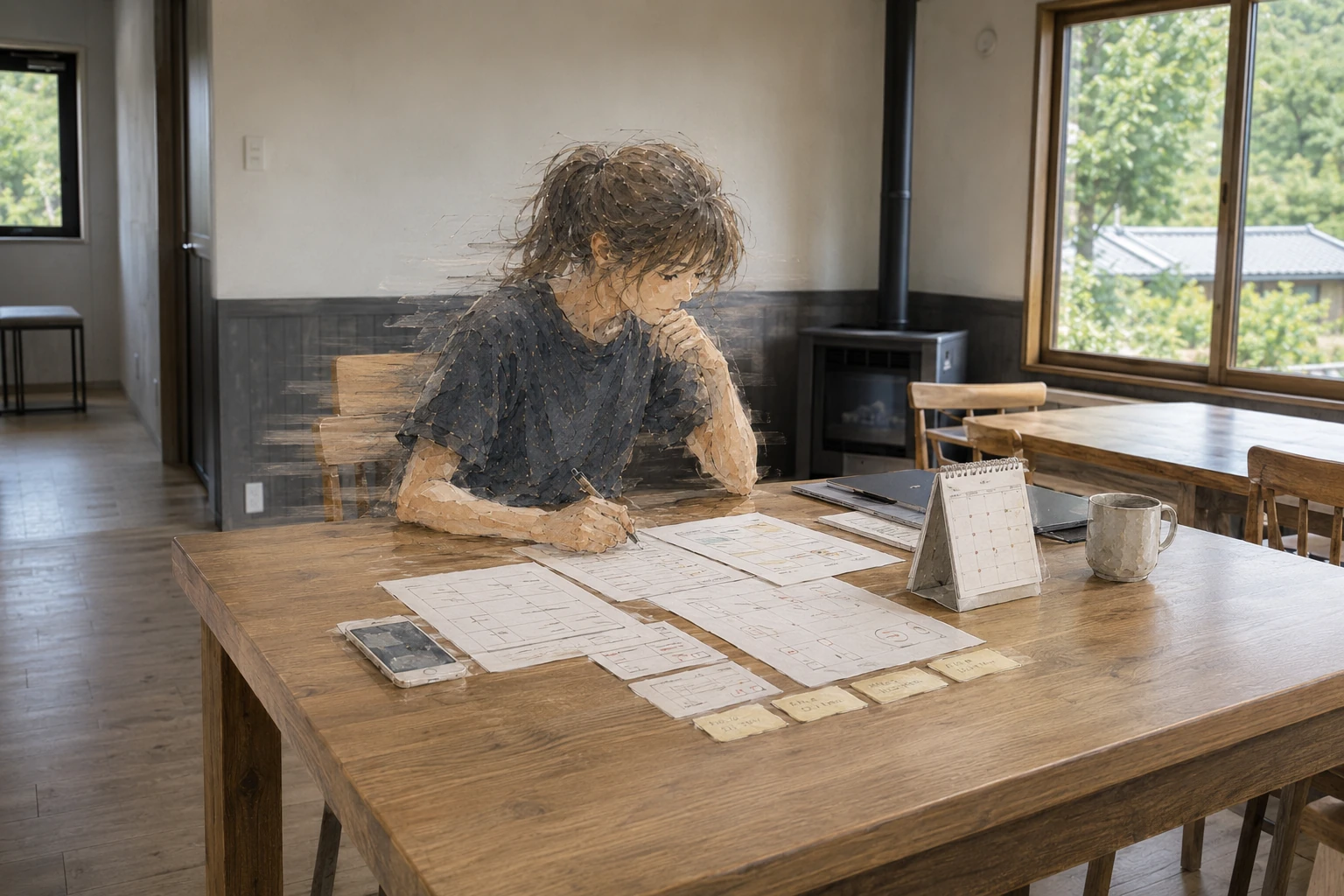
If you receive only a standard facility tour on the day, you may not be able to check the conditions that matter to your group. Send a group overview and questions in advance, including the areas you want to see, facilities whose conditions of use you need to confirm, and expected times.
Candidate dates and number of nights
Number of participants, age range, and gender breakdown
Number of coaches and responsible staff
Sport or activity
Type and number of vehicles
Expected arrival and departure
Requests related to meals, bathing, and meetings
Points that could not be judged from photos or written guidance
SECTIONStart With the Entrance, Drop-Off, and Luggage Unloading
Do not begin the visit in the guest rooms. Start where participants will arrive and walk the route from there. For buses or multiple vehicles, check whether boarding and alighting can occur without blocking other users or traffic, whether luggage can be placed temporarily, and where the group could gather in bad weather.
| Location | What to Check |
|---|---|
| In Front of the Facility | Vehicle access, turning, boarding or alighting, parking |
| Entrance | Reception role, shoes and wet items, waiting location |
| Luggage Route | Stairs, corridor width, temporary gear storage |
| Meeting Area | Whether whole-group briefing, headcount, and group division are possible |
SECTIONCheck Sleeping Rooms and Nighttime Routes From the Group Leader’s Perspective
Consider not only bedding count but also where participants of different genders and ages, coaches, and people needing health-related supervision would be placed. Check nighttime routes to toilets and washbasins, how participants contact responsible staff after lights-out, and which areas may be shared with other groups.
After confirming room numbers and capacity on site, do not finalize the rooming plan immediately. Update the provisional plan by comparing it with the roster. The final arrangement must satisfy both the facility’s conditions of use and the group’s supervision needs.
SECTIONThink About Washrooms and Shared Areas in Terms of Time, Not Just Capacity
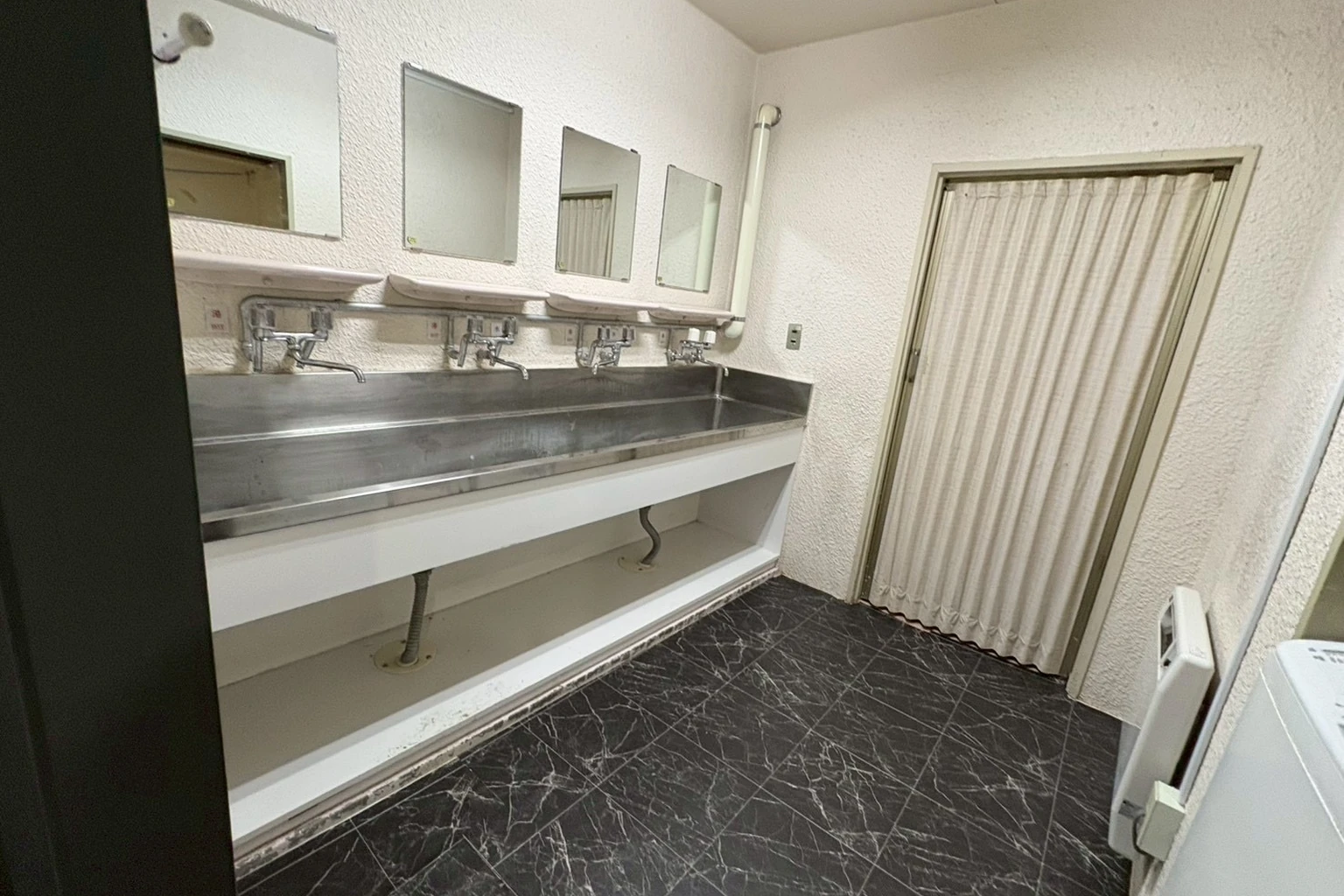
For bathing areas, washbasins, toilets, and shared spaces, check not only that they exist but how many people will use them and in what order. If everyone returns from practice at the same time, estimate whether bathing, changing, meals, and meetings can all fit into one workable schedule.
| Area | What to Ask the Facility | What the Group Must Decide |
|---|---|---|
| Bathing Area | Available times, simultaneous use, coordination with other users | Group rotation, start and finish times |
| Washbasins | Number available, use times, sharing conditions | Morning order, time for getting ready |
| Shared Area | Whether eating, meetings, or luggage organization are allowed | Time by purpose and cleanup |
| Toilets | Gender separation, nighttime use, cleaning conditions | Route from rooms and supervision |
SECTIONMeasure Travel to Practice Under Real Conditions
Include time for loading gear, boarding vehicles, and walking from parking to the venue, not only map distance. Check whether the same method works early in the morning, at night, in rain, or in winter. Even when the accommodation provides information about a practice venue, availability still needs to be confirmed for the sport, group size, and dates.
SECTIONRecord Questions and Answers During the Visit
If taking photos, obtain permission from the facility and record where each photo was taken and how it will be used. To prevent later disagreements such as “we were told it was available” or “that was never explained,” separate confirmed details, items still being checked, and decisions the group must make.
| Check Item | Answer or Observation | Status | Next Person Responsible |
|---|---|---|---|
| Example: Large Vehicle | Facility will reconfirm access conditions | Under Review | Facility contact |
| Example: Bathing | Group needs a time rotation | Group Action | Daily-life coordinator |
| Example: Shared Area | Discuss use within specified times | Conditional | Organizer |
After the visit, reflect the findings in room assignments, the schedule, packing guidance, and participant information. Do not stop at “we saw it”; record what changed so the information can be handed over to staff responsible on the day.
SECTIONHow to Check Conditions When an On-Site Visit Is Not Possible
If distance makes an on-site visit difficult, use interior photos, floor plans, and an online explanation to ask through the flow from arrival to departure. Instead of asking only “Is there a bathing area?”, include the group size and action, such as “If this many people return from practice at the same time, what order would normally be used?”
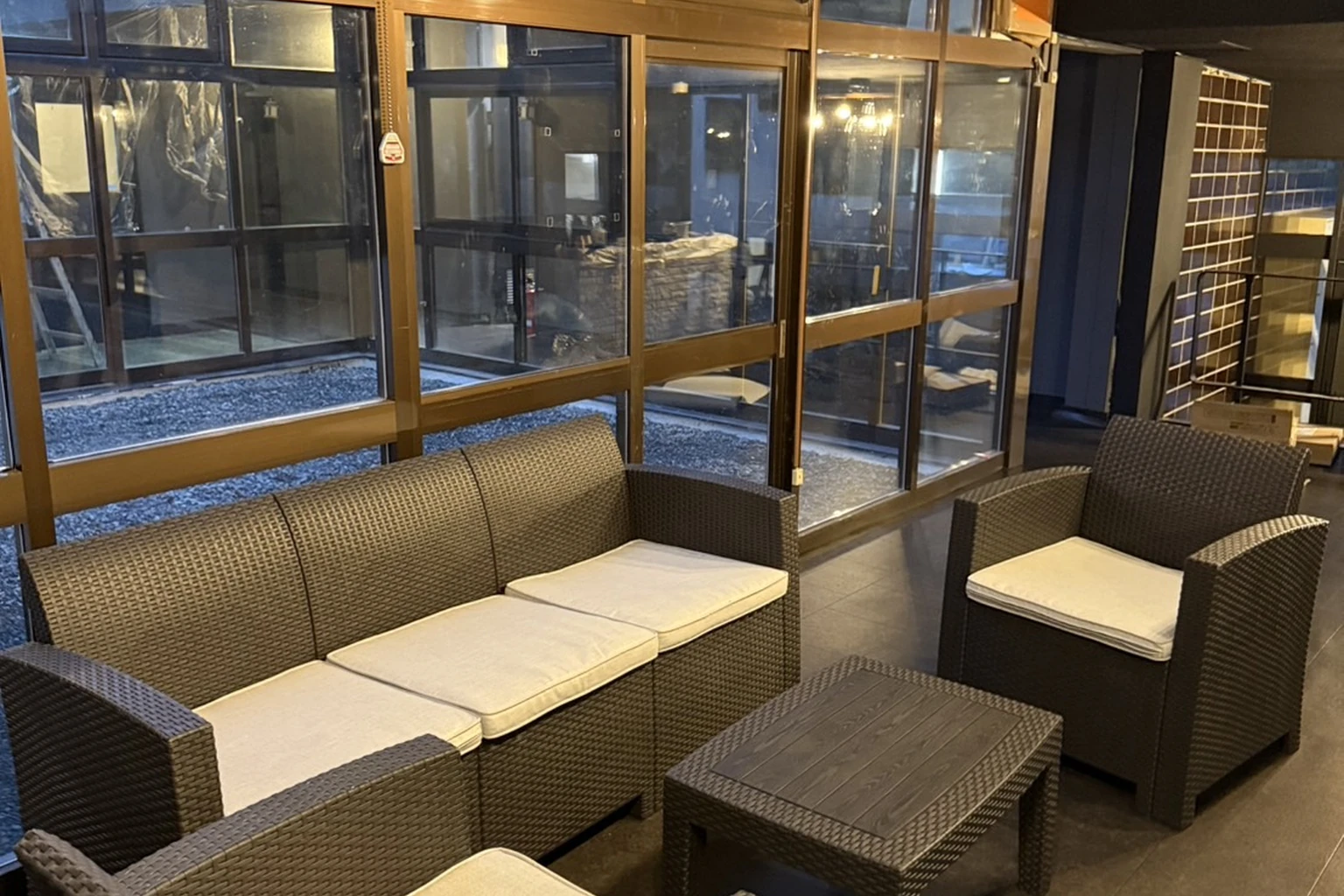
For BASE NIIKAPPU, the training camp accommodation pages show photos of shared sleeping rooms, shared areas, washbasins, gender-separated shared toilets, the exterior, and the grounds. Share candidate dates, group size, sport, vehicles, and meal requests, and ask about conditions of use that cannot be determined from photos alone.
FROM READING TO PLANNING